
Perspectives
Home > Insights > Perspectives

Water Access in Rural Areas: Service, Not Charity
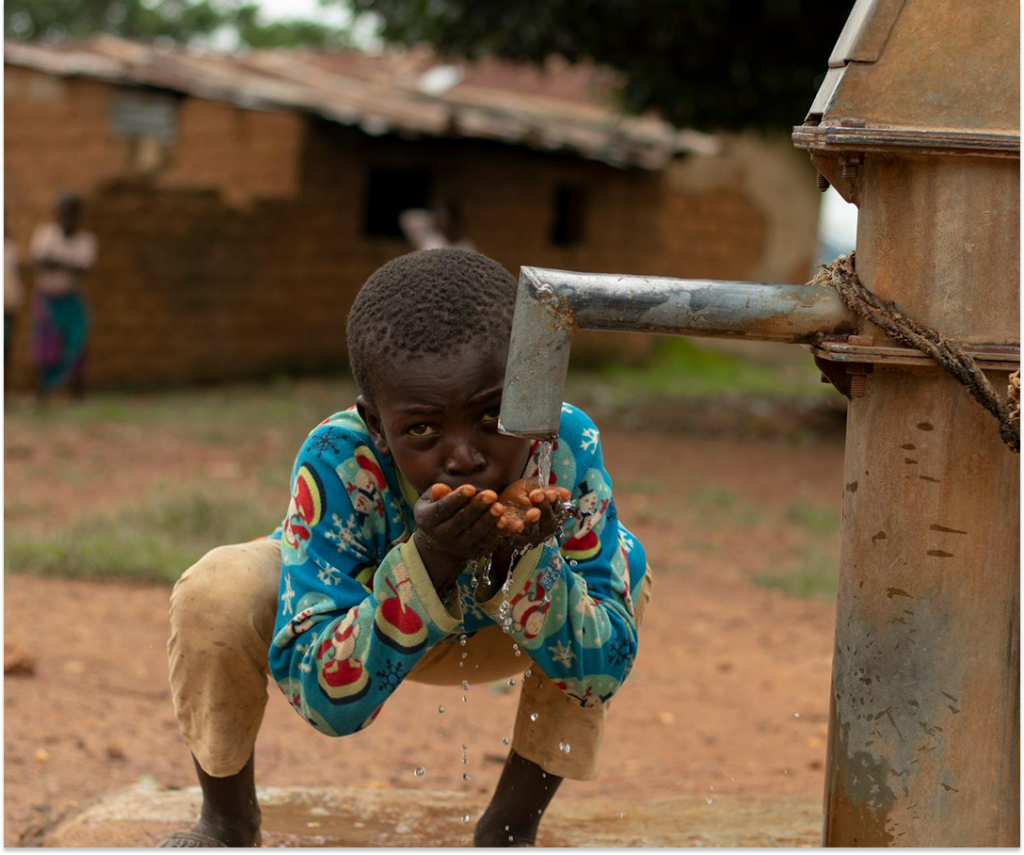
In many rural communities, water access means walking for hours, using unsafe sources, or relying on rainfall that’s becoming less predictable. Over 2 billion people still lack safely managed drinking water, and most live outside urban areas.
This affects everything. Children miss school due to waterborne illness. Women spend hours daily collecting water instead of working or studying. Farms stay small because irrigation is unreliable.
Technical fixes exist: boreholes, rainwater harvesting, solar pumps, small treatment systems. The real challenge is making them last. Projects fail when no one is responsible for maintenance or when there’s no funding for repairs.
The models that work treat water as a service. Communities manage local systems with support from government or private operators. Small user fees cover basic upkeep. Mobile monitoring flags breakdowns quickly so they get fixed.
Reliable water also unlocks economic activity. Irrigation supports higher-value crops. Livestock production becomes more stable. Local processing and trade become possible.
Climate change makes this harder. Rainfall is less predictable, and dry seasons are longer. Systems need to be built for variability deeper sources, storage, and multiple water sources.
Funding exists through governments, development banks, and impact investors. What’s needed is coordination, local ownership, and accountability for results.
When rural communities have reliable water, health improves, school attendance rises, and local economies grow. It’s one of the highest-return investments available.